Japanese Tea Ceremony Culture: A Symbol of the Eastern Spirit
By Ha Duong
Mar 24, 2026
15
Japanese Tea Ceremony: A Spiritual Symbol of the East
In Japan, tea is more than just a beverage; it is a path to nurturing the soul, helping individuals connect more deeply with nature and profound life philosophies. Over centuries, the Japanese tea ceremony (Chado) has been preserved as a priceless spiritual symbol of the Land of the Rising Sun.
1. Philosophy and Spiritual Meaning
The Japanese tea ceremony is not merely about brewing tea; it is a journey into profound life philosophies:
Wabi-Sabi: Celebrating the beauty of simplicity, imperfection, and the natural cycle of growth and decay. Instead of flaunting expensive items, the ceremony focuses on inner peace and spiritual connection.
Ichigo Ichie (One time, one meeting): The belief that every encounter is unique and will never be repeated exactly the same way. This philosophy reminds us to cherish every present moment.
The Four Golden Principles:Wa (Harmony), Kei (Respect), Sei (Purity), and Jaku (Tranquility).
2. Space and Utensils
Tea Room (Chashitsu): Typically small (about 2-4 tatami mats) to create an intimate atmosphere. The entrance is designed low, requiring everyone—regardless of social status—to bow when entering, symbolizing humility and equality.
Handcrafted Utensils: Every item, such as the tea bowl (Chawan), bamboo whisk (Chasen), and bamboo tea scoop (Chashaku), is meticulously crafted, carrying the spirit of the artisan.
3. Rituals and the Tea Process
A traditional tea ceremony follows a strict sequence to prepare the mind and body:
Purification: Guests wash their hands and rinse their mouths at a stone water basin (Tsukubai) to purify themselves before entering.
Entering the Room: Guests kneel on tatami mats and take a moment to appreciate the calligraphy scroll or flower arrangement to settle their minds.
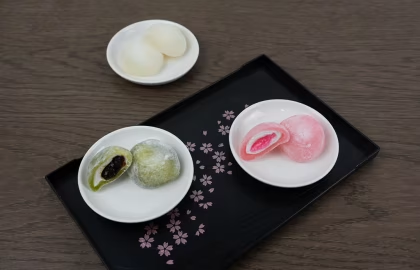
Savoring Sweets (Wagashi): The sweetness of the treat helps balance the bitterness of the tea that follows.
The Moment of Tea: Guests are served thick tea (Koicha) and thin tea (Usucha) in an atmosphere of absolute silence and mindfulness.
4. Major Schools of Tea Ceremony
Today, Japan has three main branches of the "San-Senke" (Three Sen Houses), all originating from the founder Sen no Rikyū:
Omotesenke: Emphasizes tradition and simplicity. The tea is typically served with less foam to maintain a subtle elegance.
Urasenke: The most popular and widespread style today. The tea is whisked into a thick foam, creating a mellow and sweet flavor.
Mushakōjisenke: Focuses on efficiency and minimalism, with highly streamlined movements and procedures.
5. Tea Ceremony in Modern Life
In modern Japan, tea ceremony is no longer reserved for the elite but has become a practice for cultivating elegant manners and focus. For business leaders, it serves as a way to step away from work pressure and regain balance. For travelers, participating in a tea ceremony is the perfect "window" to touch the depths of Japanese culture through Kimonos, handmade tools, and refined aesthetics.
How to Acquire Authentic Japanese Tea Utensils
If you wish to practice the tea ceremony at home, you can find handcrafted tools or premium Matcha tea directly from Japanese artisans through the following methods:
Access Japanese domestic websites specializing in traditional crafts and tea.
Select tea sets that align with the specific school of tea you admire.
Use a reliable international shipping and proxy service to ensure the items are carefully packaged and delivered to your doorstep.