Japanese culture is a subject that always sparks excitement. Through anime, TV dramas, and documentaries, the image of vibrant cherry blossoms and brave Samurai warriors has become an unforgettable icon. Among these traditions, Kendo—a martial art both mysterious and familiar—is a precious spiritual legacy left by the Samurai. But what exactly is Kendo? Let’s explore!
1. What is Kendo?
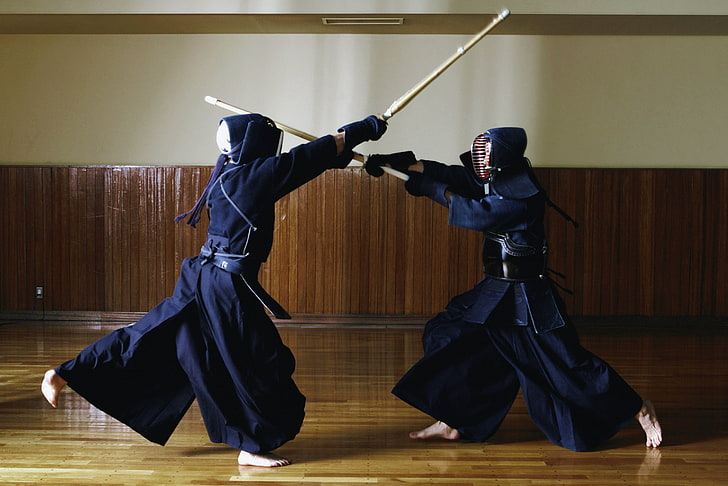
Kendo (The Way of the Sword) is a modern Japanese martial art descended from Kenjutsu (ancient swordsmanship).
Unlike Kenjutsu, which uses the sharp steel Katana, Kendo utilizes a bamboo sword (Shinai) to ensure safety during practice.
The goal of Kendo is not just to defeat an opponent but to cultivate focus, discipline, and inner strength.
2. The Fascinating History of Kendo
Formation Period (790-1120): Kendo originated as a method for training Samurai in combat skills for the battlefield.
Edo Period: During this era of peace, the meaning of Kendo shifted from "combat swordsmanship" to a "means of character building." The philosophy of "the sword that gives life" began to take root.
Modern Era: After a period of restriction, the All Japan Kendo Federation was founded in 1952. In 1970, the first World Kendo Championship was held in Tokyo, marking its expansion to over 50 countries worldwide.
3. What Does Kendo Help You Practice?
Kendo is more than just a physical sport; it is a lesson in how to live:
Mental Strength: Cultivating a resilient will and staying calm under pressure.
Virtuous Character: Building sincerity, etiquette, high discipline, and a sense of responsibility.
Community Contribution: Guiding practitioners toward contributing to peace and freedom in society.
4. Ranks of a Kendoka (Kendo Practitioner)
The ranking system in Kendo is rigorous and carries a status similar to academic degrees:
1st Dan: Equivalent to a High School Diploma.
3rd Dan (Sandan): Equivalent to a Bachelor’s Degree.
5th Dan: Equivalent to a Master’s Degree.
6th Dan: Equivalent to a Doctorate Degree.
8th Dan: The highest rank, equivalent to a Professor Emeritus (requiring over 10 years of relentless practice and dedication at the 7th Dan level).
5. What Makes Kendo Uniforms and Equipment Special?
To ensure safety and maintain traditional spirit, Kendo equipment includes:
Armor (Bogu)
Protects vital parts of the body:
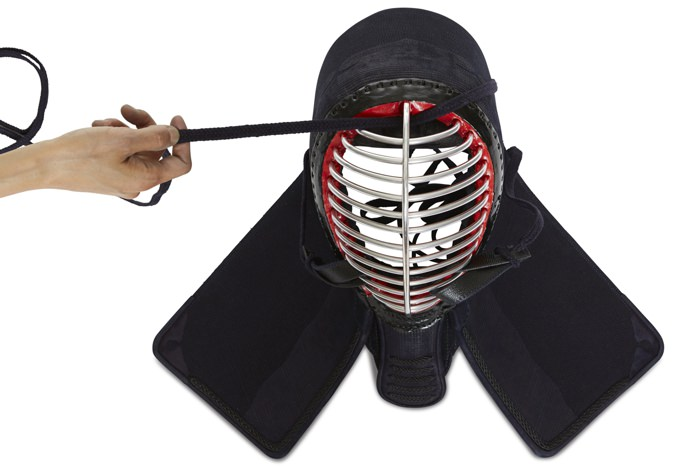
Men: A helmet protecting the head and face with a sturdy metal grate.
Kote: Specialized gloves protecting the wrists and hands.
Do: A chest protector for the upper body.
Tare: A thick fabric or armored belt protecting the hips and waist.
Bamboo Sword (Shinai)
The primary training tool, replacing the Katana. A Shinai is made of four bamboo slats held together by leather parts. Modern versions made of carbon fiber are also available for increased durability.
6. Where to Buy Authentic Kendo Gear?
For the best training experience, it is recommended to choose uniforms and equipment manufactured directly by reputable Japanese artisans.
Domestic Japanese Goods: These ensure strict standards for fabric quality and armor safety.
How to Purchase: You can order through reputable Japanese proxy services to own authentic gear from specialized shops in Tokyo or Osaka.
Conclusion
Kendo is a rewarding journey of self-improvement. If you are looking for a discipline that enhances both your mental and physical health, step into the world of "The Way of the Sword."