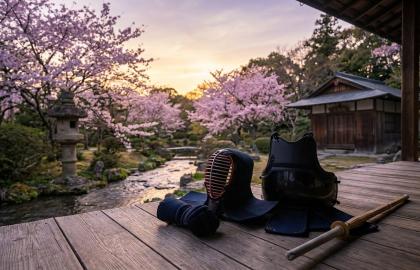
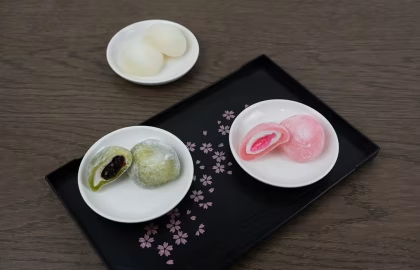
For the Japanese, tea is not just a refreshing beverage but a therapy for the soul. Amidst the hustle and bustle of life, a cup of tea helps you balance your mind and fully savor every moment. This guide explores 13 popular and unique Japanese teas—from daily staples to sophisticated varieties for connoisseurs.
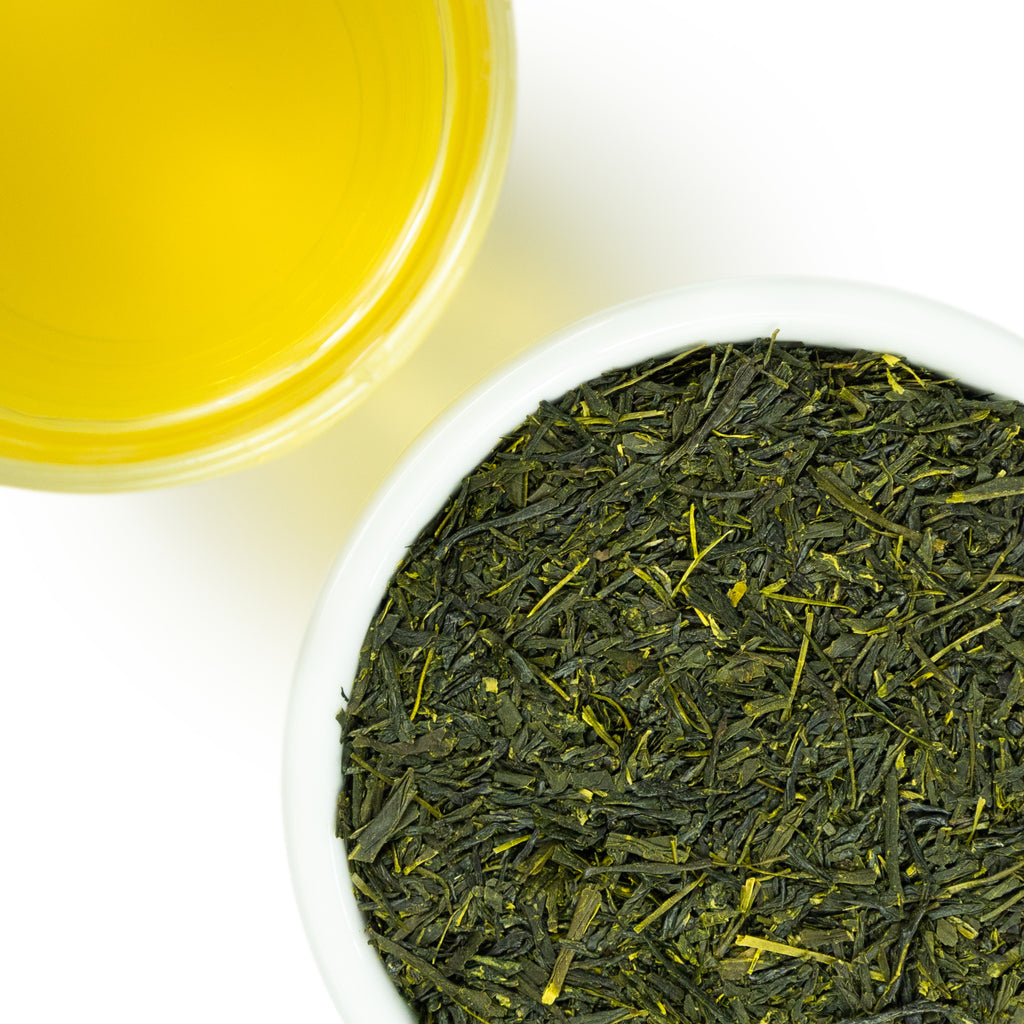
Sencha accounts for over 70% of Japan's tea production and is made by steaming fresh leaves. The tea has a golden-green color with a deep umami flavor—starting with a slight astringency and ending with a gentle sweetness.
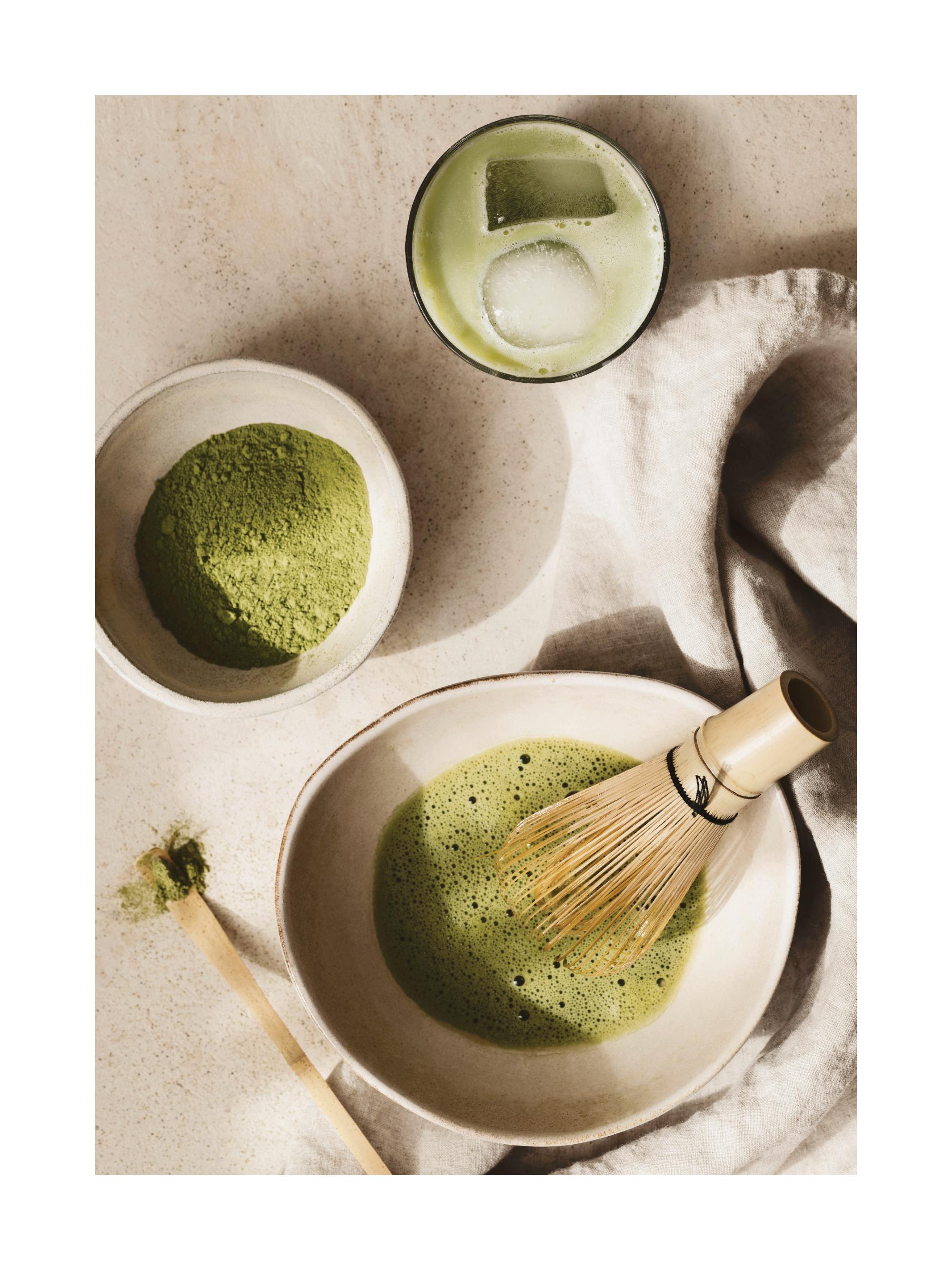
Matcha is shaded before harvest to enhance its vibrant green color and rich umami flavor, then stone-ground into a fine powder. It is the heart of traditional tea ceremonies and a creative ingredient for modern treats like lattes or tiramisu.
Known as "Pearl Dew," Gyokuro is the highest grade of Japanese tea. The plants are shaded for about two weeks before picking, resulting in an exceptionally high umami content and a long-lasting sweet aftertaste.
Similar to Gyokuro but shaded for a shorter period (about one week). Kabusecha carries the light astringency of Sencha while retaining the mild sweetness of Gyokuro, making it ideal for focus in the afternoon.
A common green tea typically served after meals. Bancha is low in caffeine, making it suitable for both the elderly and children. It has a slightly earthy taste that feels warm and familiar.

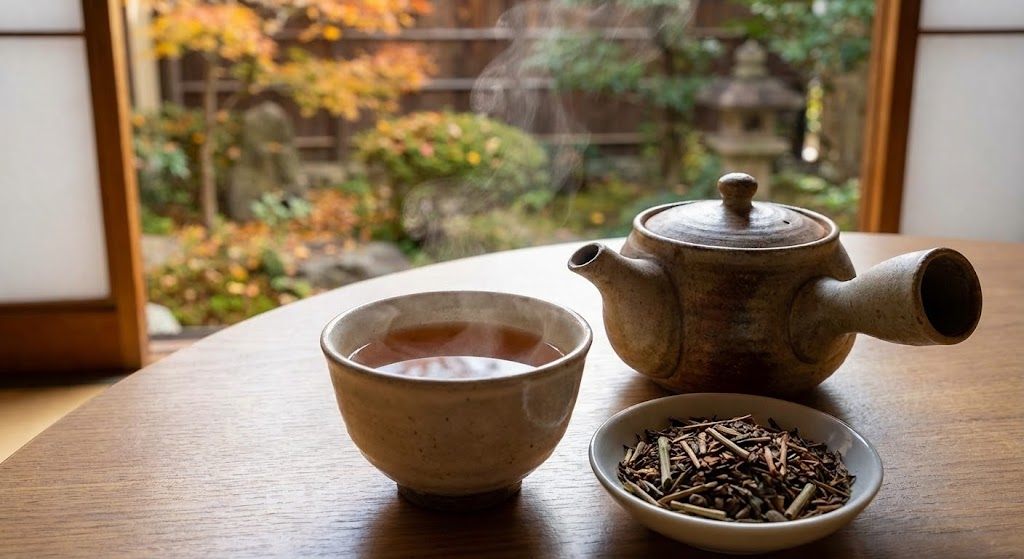
Hōjicha is made by roasting tea leaves at 200°C. The tea has a warm brown color, a characteristic toasted aroma, and a mild sweetness. Due to its low caffeine content, it is a perfect drink for relaxation before bed.

A blend of Sencha (or Bancha) and roasted brown rice in a 1:1 ratio. Genmaicha has a nutty, popcorn-like aroma and is frequently served with sushi to balance the palate.
Made from the stems and stalks separated during the processing of Matcha or Sencha. Kukicha has a mild, sweet flavor with very little bitterness, making it great for digestion or evening sipping.
These are "by-products" (broken leaves or small buds) from high-end tea processing. With a strong, punchy flavor, Konacha and Mecha are perfect for cleansing the palate after eating raw fish.
Unlike Western black teas, Wakoucha has a gentler profile with hints of honey and fruit. This deep red tea provides a warm, elegant feeling, especially when blended with botanical herbs.
The quintessential cooling drink of the Japanese summer. Made from roasted barley, Mugicha is caffeine-free, nutty, and refreshing—a staple memory of childhood for many in Japan.
Crafted from roasted buckwheat kernels, Sobacha is nutrient-rich, caffeine-free, and naturally sweet. It is a top choice for those seeking relaxation or a healthy dietary option.
Uroncha is typically oxidized and lightly roasted, producing a pale yellow infusion with a fresh floral scent. This tea is highly effective at aiding digestion, especially when paired with fried foods.
To experience the pure taste of Japanese tea, you can source it directly from reputable Japanese e-commerce sites:
Search for your favorite tea on Japanese domestic websites.
Copy the product URL link.
Use a proxy buying service to have the authentic tea shipped directly from Japan to your doorstep.